
Reflexology
What is reflexology?
Reflexology is a hands-on complementary therapy that uses specific pressure techniques on reflex areas, most commonly on the feet and hands.
About reflexology
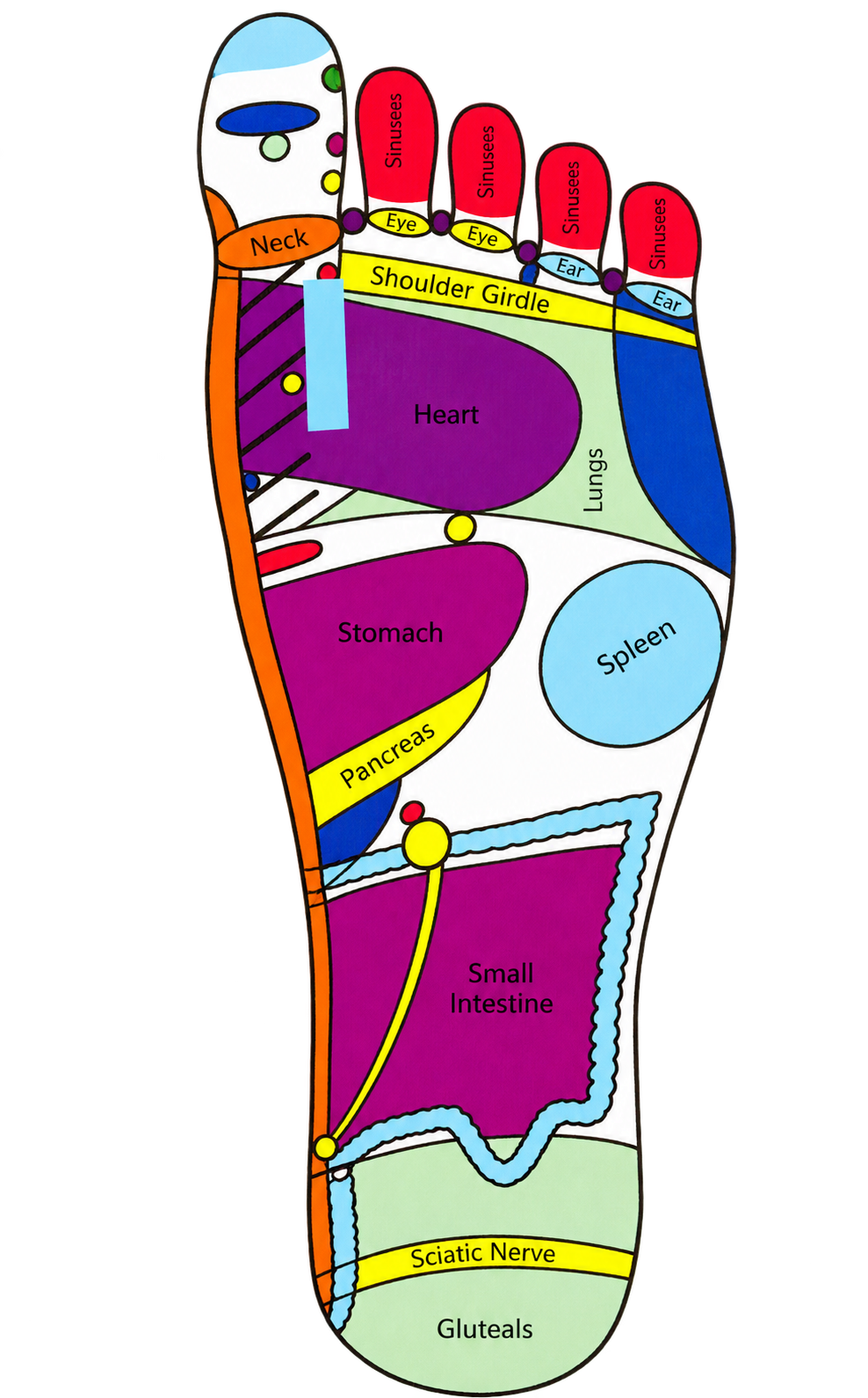
Reflexology is based on the principle that areas of the feet and hands can be viewed as reflex maps of the body. A reflexologist uses trained hands, thumbs, and fingers to apply controlled pressure to these reflex areas. The treatment is usually calm, non-invasive, and tailored to the person receiving it.
Many people use reflexology as a way to relax, reduce stress, and support a general sense of balance and wellbeing. Reflexology is a complementary therapy, so it can sit alongside standard healthcare, but it is not a replacement for medical diagnosis or treatment.
The therapy
The original IFR page described reflexology as a treatment where sensitive, trained hands work on reflex points to ease tension and encourage the body toward its own natural equilibrium. In modern language, the emphasis is best placed on relaxation, supportive touch, client comfort, and the practitioner’s professional training.
Who can benefit?
People of many ages seek reflexology. Some come for relaxation and stress management; others use it as part of a broader wellbeing routine. A reflexologist should always take a short health history first and adapt the treatment to the client’s needs.
Some people report that reflexology helps them feel calmer, sleep better, or cope more comfortably with tension. Claims about specific medical conditions should be handled carefully and should not replace medical advice.
What happens in a treatment?
- Your practitioner should begin with an introductory conversation and a consultation form.
- You should be asked for consent before treatment starts.
- You usually remain fully clothed except for shoes and socks when foot reflexology is used.
- The treatment normally takes place in a reclining chair or on a professional couch.
- The reflexologist applies pressure across the feet or hands and adjusts pressure to suit you.
- A first appointment may be longer because it includes consultation time.
Choosing a reflexologist
Always check that your practitioner is appropriately trained, insured where required, and a member of a recognised reflexology organisation. A professional reflexologist should explain the treatment clearly, respect your comfort, and give you time to ask questions.
Ready to try reflexology?
Discover reflexology for yourself. Find a practitioner and take the first step towards a little time for your wellbeing.